
The doctoral dissertation of researcher Firas Matar Khalaf was discussed at the College of Engineering, University of Basra, Department of Mechanical Engineering, under the supervision of Professor Dr. Hussein Sadiq Sultan and Professor Dr. Ahmed Kadhim Mohammed. ENERGY SAVING OF AIR-CONDITIONING SYSTEMS IN BASRAH CITY "it includes
Basra Governorate is witnessing urban, economic, and commercial activity. The results of the 2023 population census showed that Basra city came in third place with an estimated population of 3 million and 305 thousand people and a growth rate of 2.9 percent.
In addition to the above, Iraq, in general, and Basra, in particular, are experiencing rising temperatures and humidity, forcing people to stay indoors for extended periods to escape the harsh climate and use AC units. That increased the demand for electricity and the load on the national power grid.
This study highlights the problems of building energy performance, identifying the best performing AC system, besides the most effective building construction characteristics for improving the energy performance of residential buildings, including wall and roof insulation, AC oversizing, roof shading, and window glazing.
The goal is to develop effective strategies to reduce energy use for home conditioning in single- and double-floor dwellings in the Al-Amal housing project in Basra, Iraq, comparing modern VRF and traditional CRF air-conditioning systems in terms of initial, installation, maintenance, and operational costs.
The results showed that the VRF system exhibited lower operational cost percentages than CRF, at 16% and 19% per month in single- and double-story buildings, respectively, and achieved energy savings of 20% and 22% in the 10th year. In addition, the results indicated that the largest wasted energy that can be saved comes from the building’s roof and external walls, while the smallest available energy is due to the building’s orientation and window glazing.
The optimum case for both single-storey and double-storey buildings gave a total annual energy saving of around 48% and 47%, respectively, showing the amount of wasted energy that would be saved in a residential building following the advices stated in this work.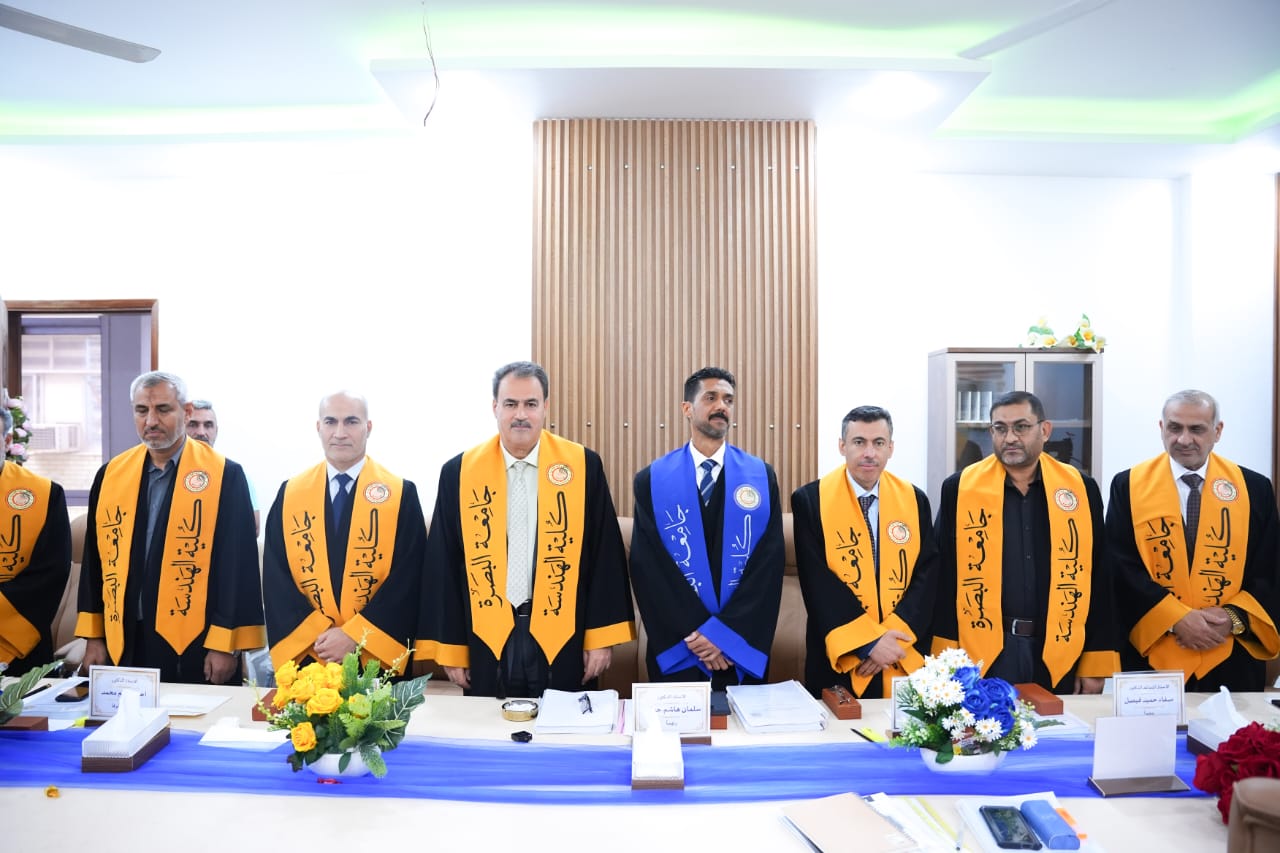
Important News


viewed most