The doctoral dissertation of researcher Zainab Hussein Khairallah was discussed at the College of Engineering, University of Basra, Department of Civil Engineering, under the supervision of Professor Dr. Saleh Issa Khassaf, entitled Sustainable Water Resources Management of Euphrates River in Iraq using RIBASIM Model
The Euphrates River is an animated water source of Iraq, but its flow has declined significantly over the past twenty years due to the foreign policies of upstream countries, climate change, and internal challenges such as increased water demand driven by population growth and urbanization, deteriorating water distribution systems, reliance on traditional irrigation methods, and inefficient water use, this has posed a threat to water security in the region.
This study aims to assess the sustainable management of the Euphrates River and its impact on water, food, energy, and environmental security in western, central, and southern Iraq by analyzing the river's capacity to meet the water needs of various water-consuming sectors.
The study employs two methodologies, the first methodology involved a long-term statistical analysis of climatic and hydrological data from 1991 to 2022 to illustrate the annual, monthly, and seasonal patterns of these climatic variables and the changes in the Euphrates River's discharges, in addition to analyzing the strength of the relationship between these climatic variables and the Euphrates River's discharges during the same period in Hussibah city. The DrinC programme was also used to calculate the Streamflow Drought Index (SDI) for the Euphrates River from 1980 to 2022 in the city of Hussibah.
As for the second methodology, it involved modelling and simulating the Euphrates River water system, specifically from the point it enters Iraqi territory, in the city of Hussibah to the Al-Chibayishbarrage, using the RIBASIM schematic model. This model defines the characteristics of river water management, the distribution of water across water-consuming sectors, and its impact on water demand and shortage under the current situation and future scenarios, including population growth, improving field irrigation efficiency to 60%, low, medium, and high-intensity climate changes, and reducing Euphrates River water flows in light of the overall development of upstream countries' irrigation projects, in addition to expanding the AL-Thartharirrigation canal. Several indicators were used to assess the reliability of water delivery and meet the needs of water-consuming sectors, including DWRI, AWRI, and WSRI.
The results of this study can provide a framework for developing climate change adaptation measures and reducing water imports from upstream countries. This study shows that integrated water resource management, based on scenario planning and increased efficiency, is essential for enhancing water security and sustainability in the Euphrates River basin. The results of this study are a valuable resource for Decision-makers in formulating future water strategies in Iraq, as this methodology represents a significant advancement in assessing the dynamics of regional water security. It provides decision-makers with a reliable tool to develop adaptive and sustainable cooperation strategies. This study can serve as a scientific reference for planning water resource management in climate-sensitive and transboundary basins.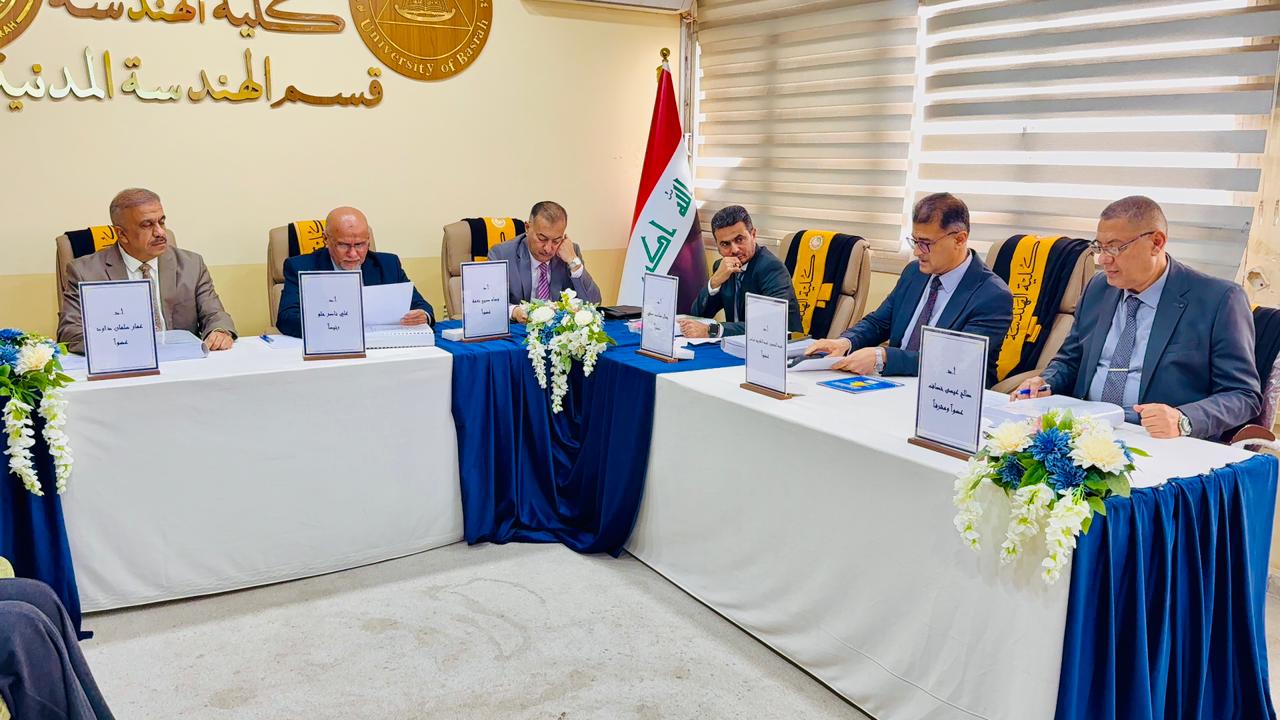
Important News


viewed most