With confident strides towards the digital future, the College of Engineering at the University of Basra hosted a scientific and technical exhibition entitled "Artificial Intelligence in the Service of Petroleum Engineering." The exhibition showcased the creative output of second-year students in the Department of Petroleum and Gas Engineering, presented with a contemporary engineering vision and under the direct supervision of Professor Rawan Saleh Ismail.
The exhibition was honored by the presence of the Assistant President of the University of Basra, Professor Dr. Ayman Saleh Naama, who expressed his admiration for the advanced technical level and software solutions presented by the students at this early stage of their studies.
Vision and Mission: This initiative stems from an ambitious vision aimed at localizing artificial intelligence technology in the Iraqi oil sector and transforming traditional oil fields into "smart digital fields" managed by national algorithms capable of minimizing environmental damage and maximizing extraction efficiency. Objectives and Industry Impact
The festival focuses on preparing a generation of engineers capable of integrating field knowledge with digital solutions, through work on:
- Predictive automation and intelligent decision-making: to transform big data into rapid engineering solutions.
- Maximizing production: through software technologies that increase extraction efficiency and reduce operational costs.
A remarkable initiative and outstanding student output
The exhibition showcased a comprehensive collection of projects and software solutions designed by students with exceptional effort. These projects—a scientific first for second-year students—were distinguished by their ability to simulate the oil industry and process real data, resulting in excellent outcomes and innovative solutions covering various aspects of the work, from reservoir exploration to digital field management.
The initiative supervisor, Professor Rawan Saleh Ismail, emphasized that all participating projects reflected a strong scientific passion and a high ability to adapt programming languages to serve engineering realities. She stressed that this collective output is the fruit of collaboration and scientific discipline, paving the way for a professional generation that combines programming skills with oil industry expertise.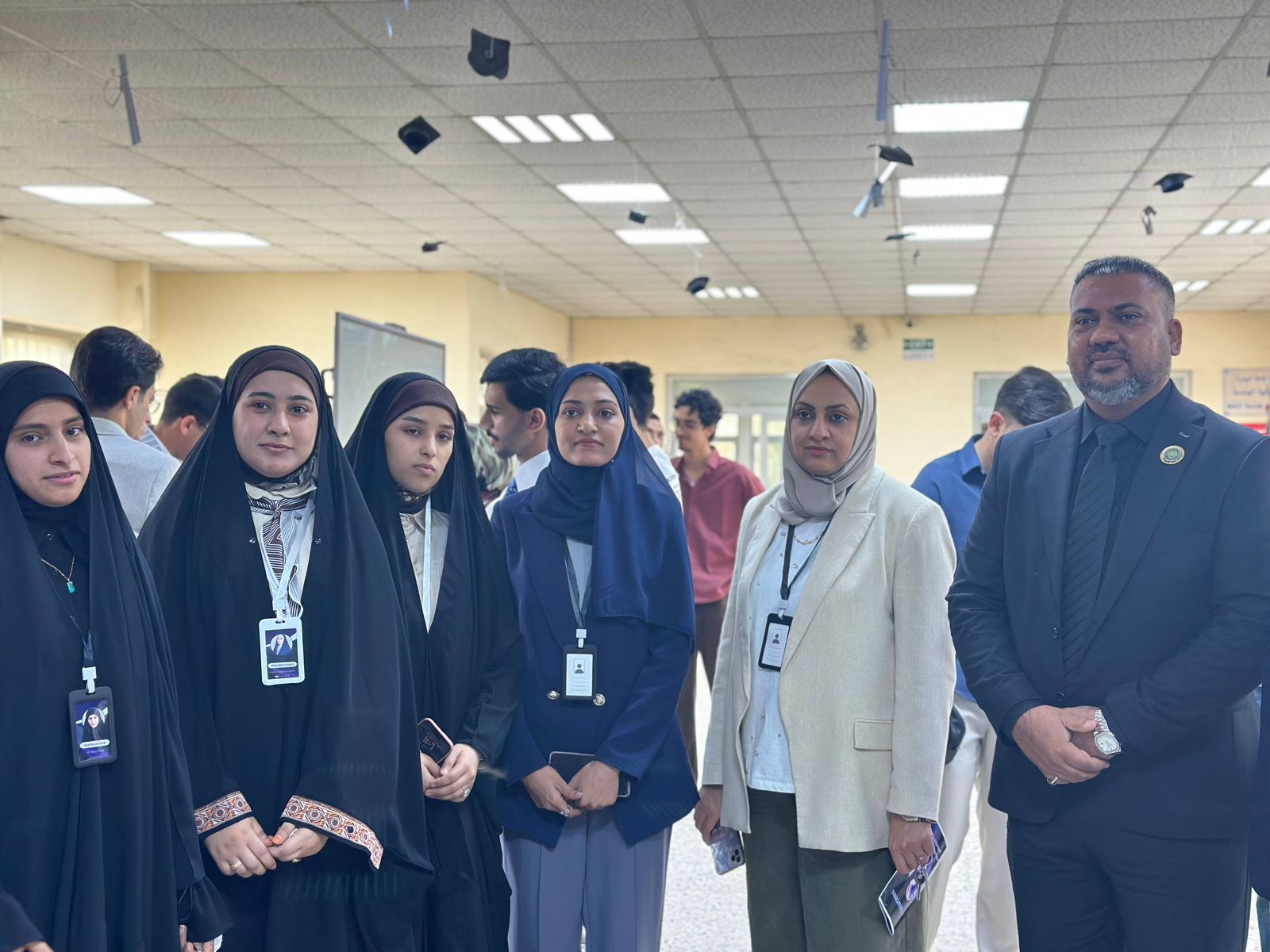
Important News


viewed most