On November 25, 2026, the Department of Computer Engineering at the University of Basrah’s College of Engineering held an awareness and technical workshop titled "Digital Violence Against Women: Reality, Impacts, and Protective Measures." The session addressed the primary forms of digital violence—such as threats, extortion, defamation, privacy violations, and hate speech—that women and girls may encounter online, while also introducing tools and techniques for protection against such abusive practices.
The workshop was developed and presented by Professor Ghaidaa Abdul-Razzaq Al-Suhail. Female students from the Department of Computer Engineering played an active role by designing awareness materials and contributing to the presentation of various topics. This initiative highlighted the students' capacity to leverage their technical knowledge and digital skills to serve society and raise awareness about contemporary issues.
The event shed light on the psychological and social consequences of digital violence, including the fear, anxiety, and diminished sense of security and self-confidence it can cause, as well as its negative impact on academic and professional engagement and public life.
Furthermore, the workshop emphasized the importance of fostering digital literacy and raising awareness regarding the risks associated with artificial intelligence—specifically "deepfakes"—while outlining methods for prevention and protection against the malicious use of such technologies. It was underscored that addressing digital violence is not merely an individual responsibility, but a collective and institutional one, requiring the promotion of awareness and the cultivation of a safe, inclusive digital environment. The activity included the presentation of videos and awareness-raising posters that addressed the concept of digital violence—its various forms, its impacts, and how to deal with it. It also highlighted the role of modern technologies and artificial intelligence in the creation of digital content, emphasizing the importance of engaging with such content consciously and responsibly.
This initiative is part of the Faculty of Engineering’s commitment to fostering awareness of contemporary societal and digital issues, and to linking technical knowledge with social responsibility—ultimately contributing to the creation of a university and digital environment that is safer and more respectful for everyone.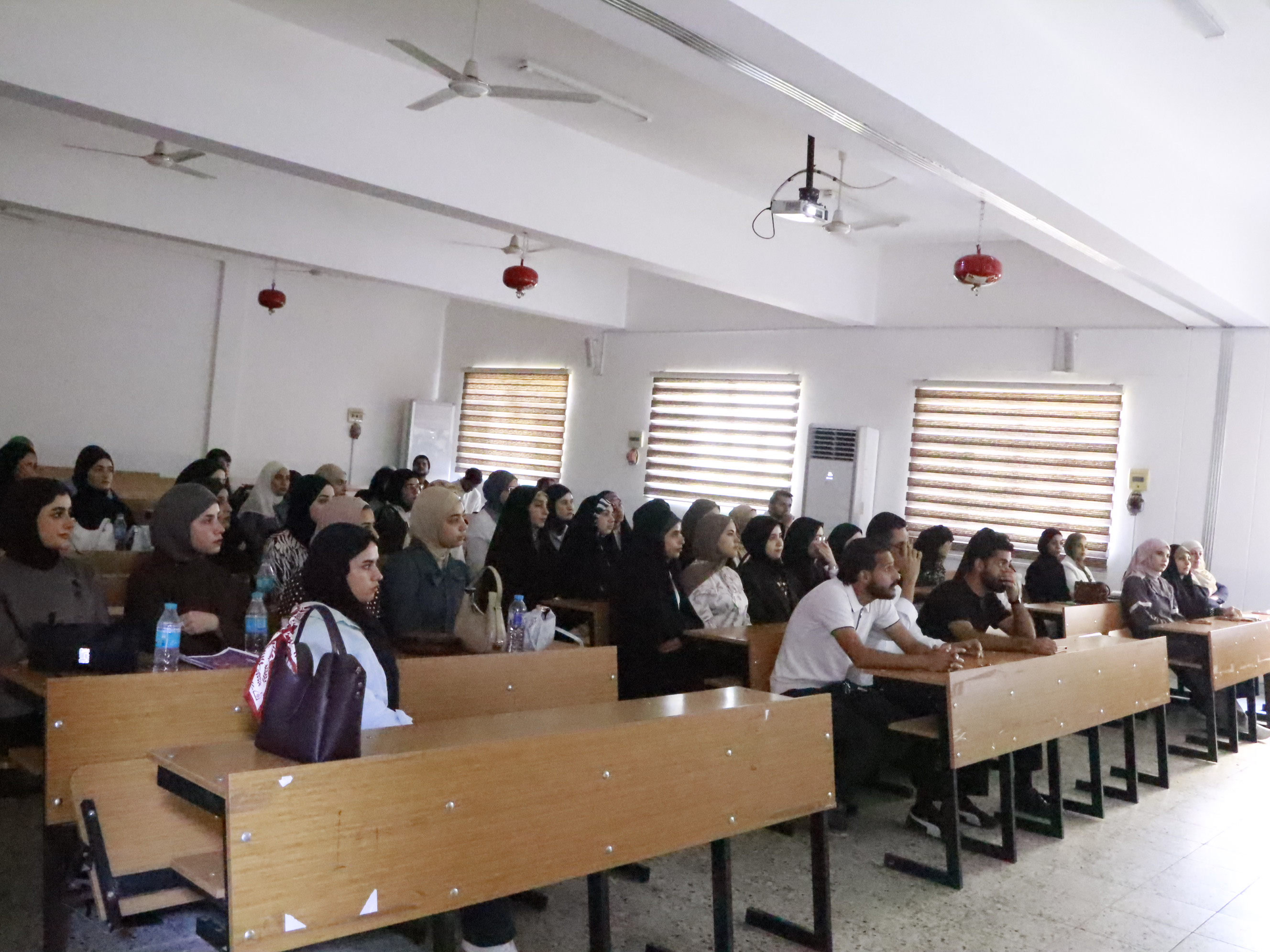
Important News

viewed most