The Master's thesis of researcher Zainab Radhi Thamer was discussed at the College of Engineering, University of Basra, Department of Civil Engineering, under the supervision of Professor Dr. Saad Abu Al-Hail Arab and Assistant Professor Dr. Dina Ali Yassin. The thesis, titled "The Performance of hydraulic tube flocculator treats the water of Shatt-Alarab River includes...
This study investigates the hydrodynamic performance and flocculation efficiency
of a Coiled-Tube Mixing System (CTMS) applied to highly variable raw water from
the Shatt al-Arab River. A wide range of geometric configurations was examined,
including tube diameters of 0.75–2 inches and loop diameters of 0.45–1.0 m, to
determine how curvature, secondary flow strength, and turbulence intensity
influence floc formation. Experimental flowrates of 7.5, 10, 15, 20, and 25 × 10⁻⁶
m³/s were tested under constant initial turbidity (150 NTU) and uniform coagulant
conditions. Detailed measurements of residence time, shear conditions, and GT
values were obtained to evaluate the hydrodynamic behavior across 400+ tested
arrangements.
Results revealed that small-diameter geometries produced the most favorable mixing
conditions. The 0.75-inch pipe combined with a 0.45-m loop diameter generated the
strongest Dean vortices, highest turbulence intensity, and optimal secondary flow
structure for flocculation. Under these conditions, a flowrate of 7.5 × 10⁻⁶ m³/s
provided the best balance between mixing energy and residence time, yielding the
maximum turbidity removal of 85.99%. Although the measured GT values were
generally lower than classical design recommendations (20,000–100,000), efficient
floc formation was still achieved in small-diameter coils due to enhanced micro-
mixing and strong curvature-induced shear.
Increasing flowrate consistently reduced flocculation efficiency as a result of
decreased residence time and insufficient GT values, which limited particle–particle
contact and caused partial floc breakup. Conversely, larger pipe diameters (≥ 2
inches) and large loop diameters (~1 m) produced weak turbulence, low shear rates,
and minimal secondary flow effects. Even when residence time exceeded 200
minutes, these larger geometries failed to generate stable flocs due to inadequate
hydrodynamic energy. The systematic comparison of all configurations confirms thatgeometry-induced hydrodynamics dominate flocculation performance and that
optimized small-diameter coiled tubes can significantly outperform conventional
designs despite lower GT levels.
Overall, this work provides a comprehensive evaluation of CTMS geometry, reveals
the governing hydrodynamic mechanisms that control floc formation, and
demonstrates the feasibility of compact coiled-tube systems for efficient water
treatment in low-energy or decentralized applications. The findings contribute new
design guidance for future CTMS development, highlighting the critical roles of pipe
diameter, curvature ratio, flowrate, and residence time in determining flocculation efficiency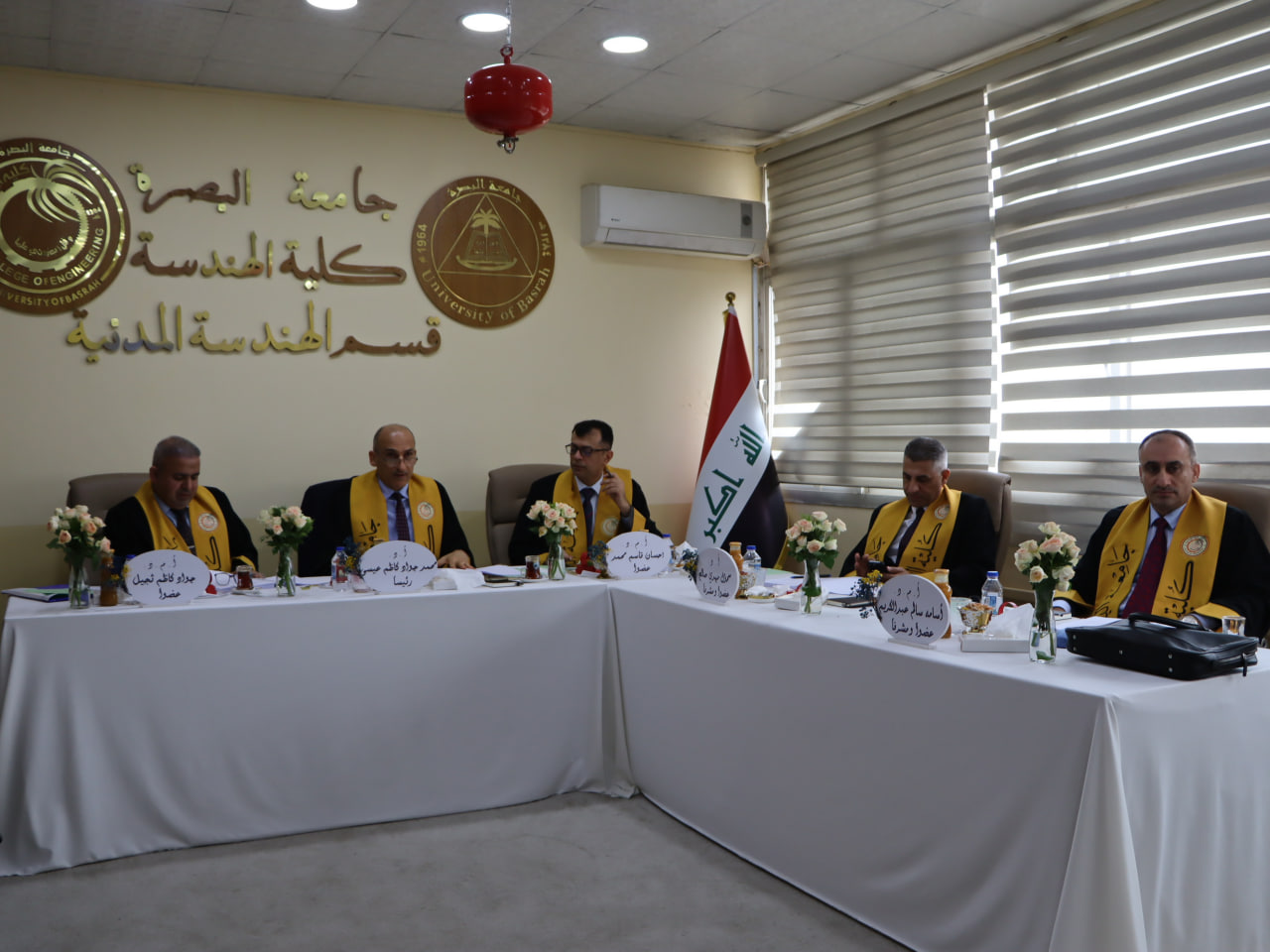
Important News


viewed most